The Quiet Shift Nobody Talks About: When Walking Stops Being Automatic
Thousands of people over 40 are quietly adjusting how they move — not because they're sick, but because every step has started to cost something.
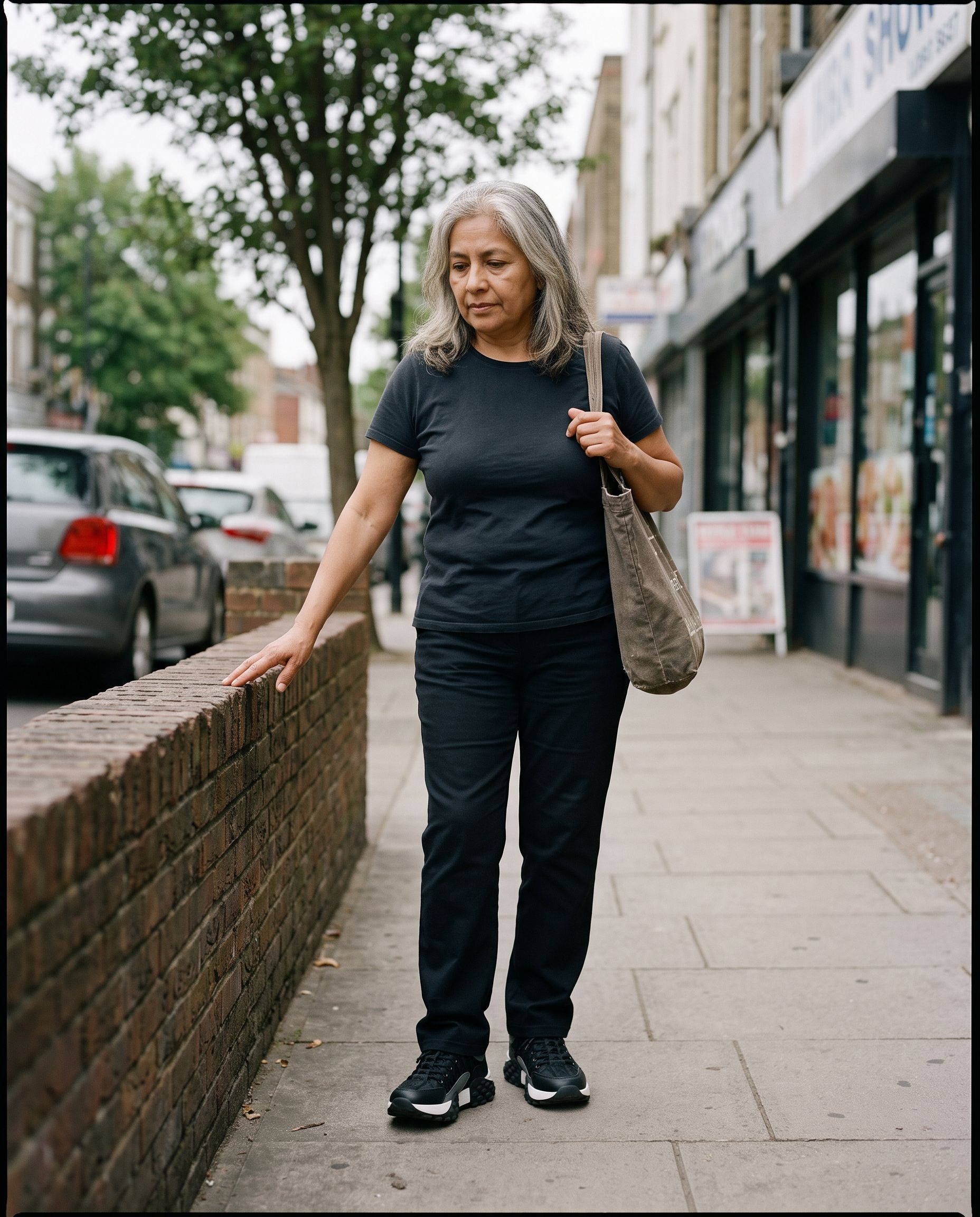
There's a moment — and most people can tell you exactly when it happened — when walking stopped feeling effortless. Maybe it was a hesitation at the top of a staircase. A hand reaching for a wall that wasn't there before. A route you used to take without thinking that now gets quietly rerouted.
It doesn't announce itself as a crisis. It just arrives, softly, as a new kind of awareness. And for millions of adults over 40, that awareness has become a constant background hum: Am I steady enough? What happens if I lose my footing?
This piece is about that shift — and about what's actually driving it, why the usual fixes don't work, and what a growing number of people are doing differently.
You're Not Declining. You're Compensating.
Here's what the medical world doesn't always lead with: the problem isn't usually weakness. It's adaptation. When the feet and ankles stop getting reliable feedback from the ground — because of nerve changes, joint stiffness, or simply decades of wearing shoes that weren't built for your foot shape — the body quietly starts compensating. Shorter strides. A slightly wider stance. A tendency to slow down on uneven surfaces.
None of those adjustments are wrong. They're intelligent. But over time, they reinforce a posture and gait that actually increases the risk of stumbling — because the body is always slightly braced, slightly off-balance, working harder than it should just to move through ordinary space.
That low-grade muscular effort — the constant micro-correction — is what makes a two-block walk feel like a project by the end of the day.
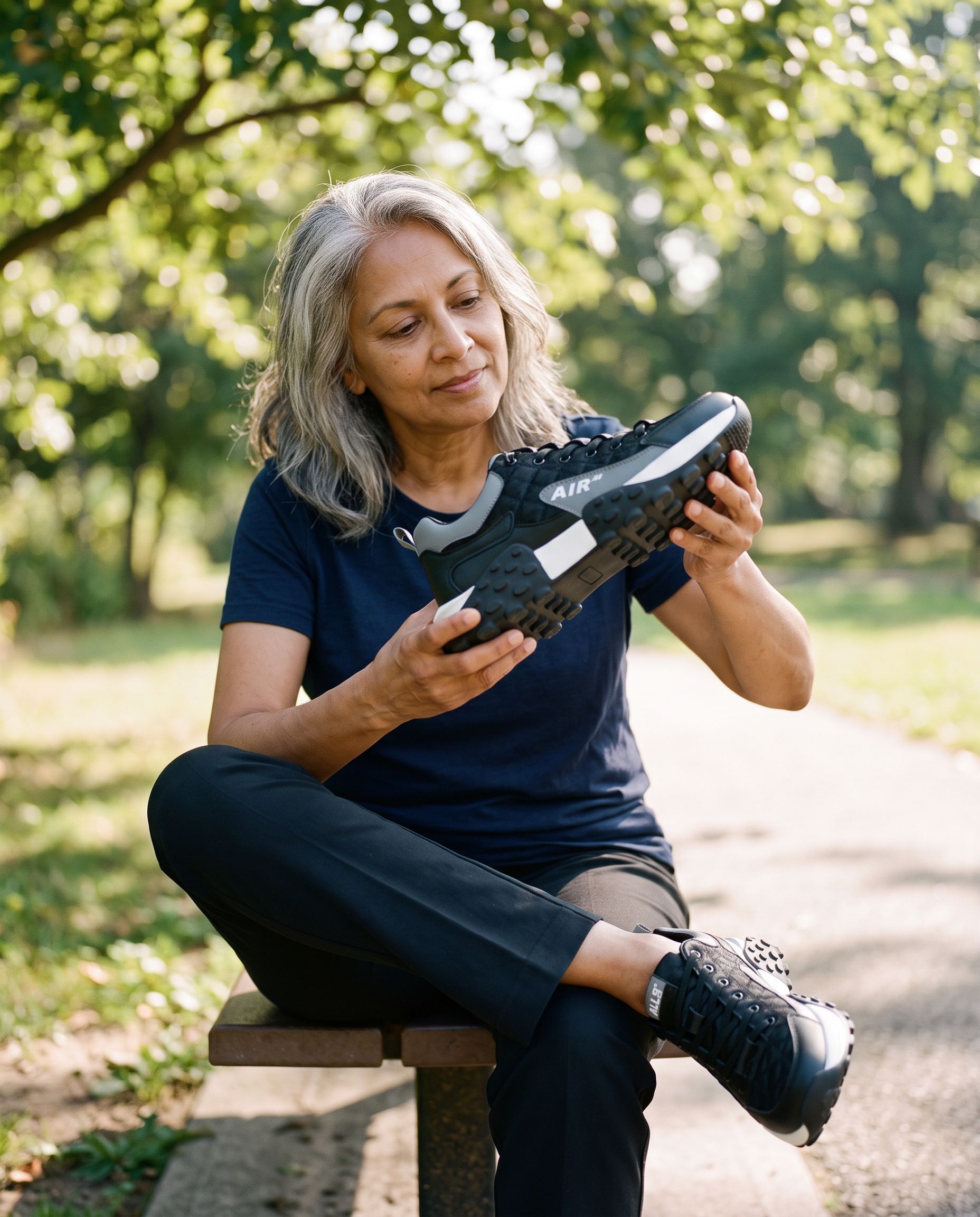 EverAir™ Freedom Walker — active living · 40+
It's not about admitting something is wrong. It's about choosing not to give up the life you built.
Why 'Just Be Careful' Is the Worst Advice
When people start to feel unsteady, the instinct — from family, from doctors, from themselves — is to restrict. Take shorter walks. Hold the railing. Stay closer to home. And while caution has its place, restriction has a cost that doesn't show up immediately.
Reduced movement leads to reduced muscle activation, which leads to reduced stability, which leads to more restriction. It's a quiet loop that, left unchecked, makes the original problem significantly worse within months.
What most people actually need isn't less movement. It's better-supported movement. A foundation that gives the foot what it's been missing: real contact with the ground, a fit that doesn't force the toes to grip or the ankle to overcompensate, and enough cushioning to take the shock out of every heel strike without deadening the feedback the nervous system needs.
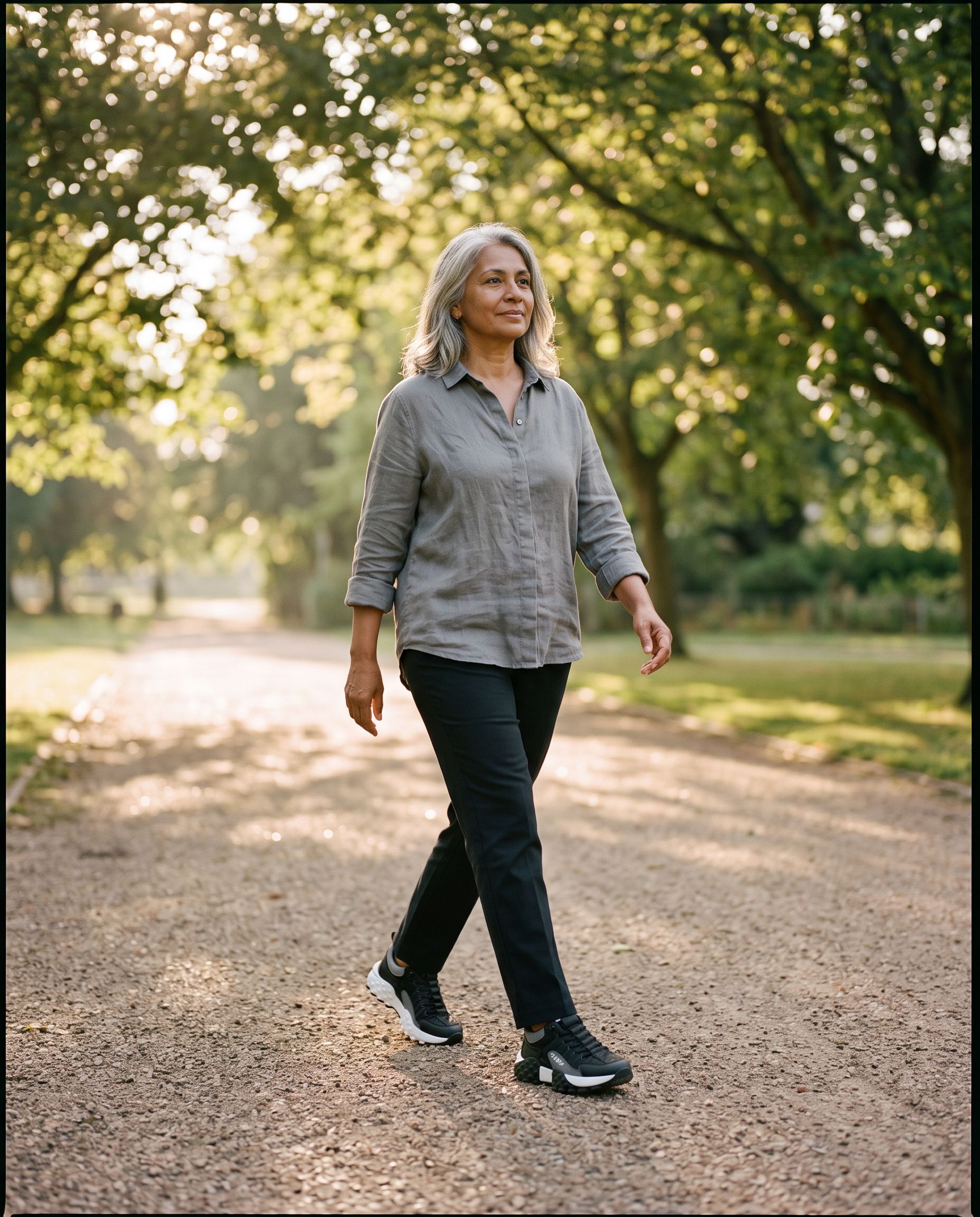 EverAir™ Freedom Walker — active living · 40+
The Shoe Problem Nobody Mentions
Most footwear — even shoes marketed as 'comfortable' or 'supportive' — is built on a standard last that assumes a narrow heel, a tapered toe box, and a moderate arch. For a significant portion of adults over 40, that shape is simply wrong for their foot. The result: the shoe grips in the wrong places, the toes claw slightly to compensate, and the arch either collapses or is over-corrected.
Wider feet, lower arches, swollen joints, or nerve sensitivity in the sole — any of these mean a standard shoe is creating the very instability it's supposed to prevent. And when the shoe doesn't fit the foot, the foot doesn't trust the ground.
Orthopedic design addresses this from the inside out. A wider, roomier toe box lets the foot splay naturally — which is how the foot was designed to absorb impact. A contoured, ergonomic insole cradles the arch without forcing it. A low, stable heel keeps the ankle in a neutral position instead of tipping forward or backward. The difference, for people who switch, is often described less as a feature and more as a relief.
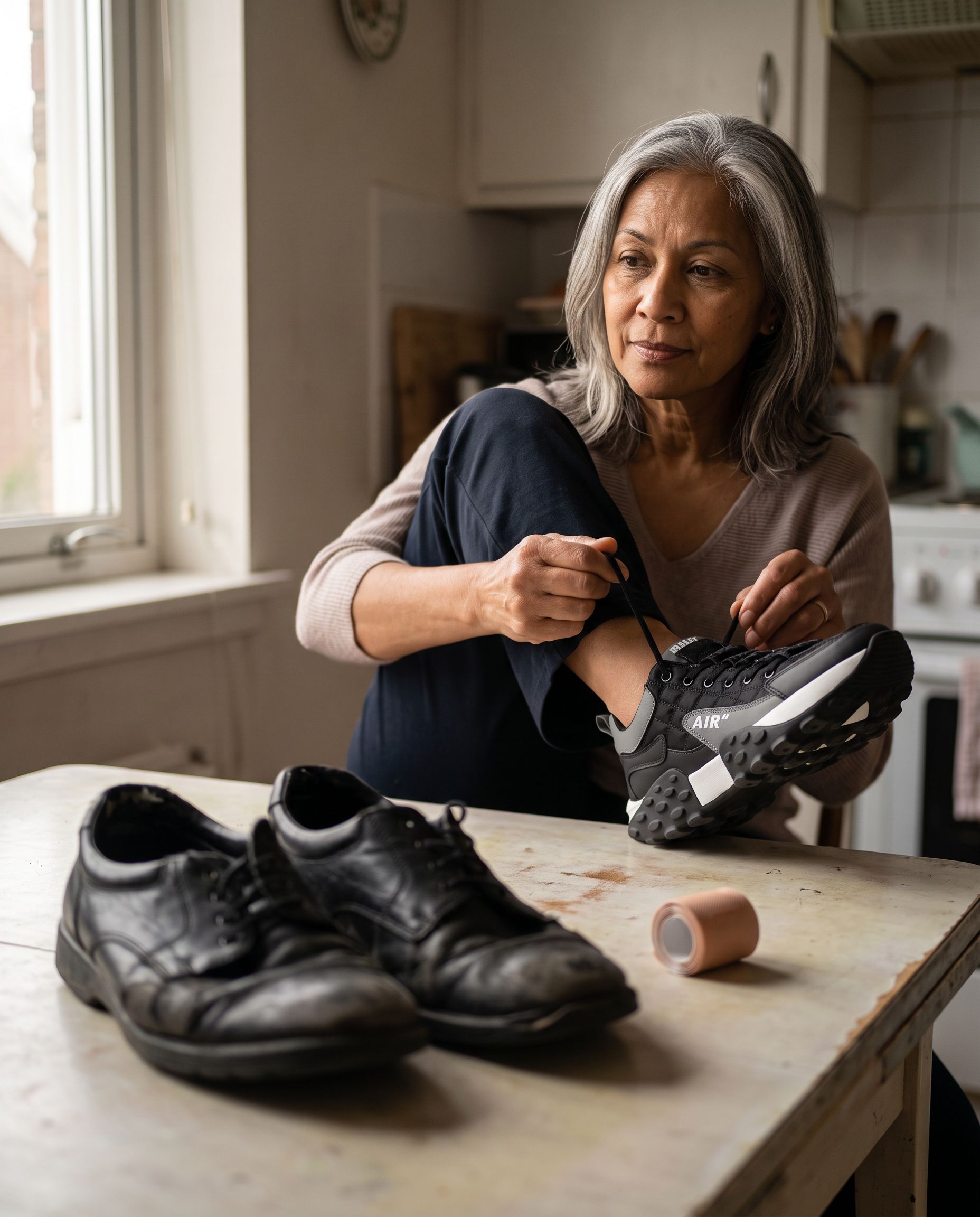 EverAir™ Freedom Walker — active living · 40+
What 'Staying Independent' Actually Looks Like
Independence, at this stage of life, rarely looks like anything dramatic. It looks like being the one who drives to the farmers' market on Saturday morning. It looks like walking the grandchildren to the park without worrying about the uneven pavement at the corner. It looks like not having to ask someone to come with you, just in case.
The people who hold onto that independence longest tend to share a common trait: they take the small signals seriously, early. A shoe that fits properly. A walk that's a little longer than yesterday. A choice to keep moving, on their own terms, before restriction becomes the default.
That's not a medical intervention. It's a decision about who you want to be — and what kind of daily life you want to protect.
 EverAir™ Freedom Walker — active living · 40+
What the EverAir™ Freedom Walker Was Built to Do
The EverAir™ Freedom Walker was designed with one specific brief: give the over-40 foot a shoe it can actually trust. The wide toe box accommodates natural foot splay, eliminating the gripping and clawing that comes from a narrow fit. The ergonomic cushioned sole — paired with the included orthopedic insoles — provides the ground-contact feedback the nervous system needs without sending shock up through the ankle and knee.
The result is a shoe that doesn't ask the body to compensate. One that lets the stride lengthen slightly, the posture settle, and the walk feel — genuinely — more like it used to. Not because anything dramatic changed, but because the foundation finally fits.
Thousands of people across the US, UK, and Australia have made the switch. The response that comes up most often isn't about the shoe itself. It's about what came back with it: the morning walk. The trip to the shops alone. The small, ordinary confidence of moving through the day without thinking twice about it.
 EverAir™ Freedom Walker — active living · 40+
Why it works when other things didn't
- Wide Toe Box — Natural Foot SplayLets the toes spread as they were designed to, eliminating the claw-grip that undermines balance in narrow shoes.
- Ergonomic Cushioned Sole — Ground-Contact FeedbackAbsorbs heel-strike shock while keeping the nervous system connected to the surface beneath — the stability loop the body needs.
- Included Orthopedic Insoles — Arch-Neutral SupportCradles the arch in a neutral position so the ankle stops over-correcting and the stride can lengthen naturally.
What women are saying
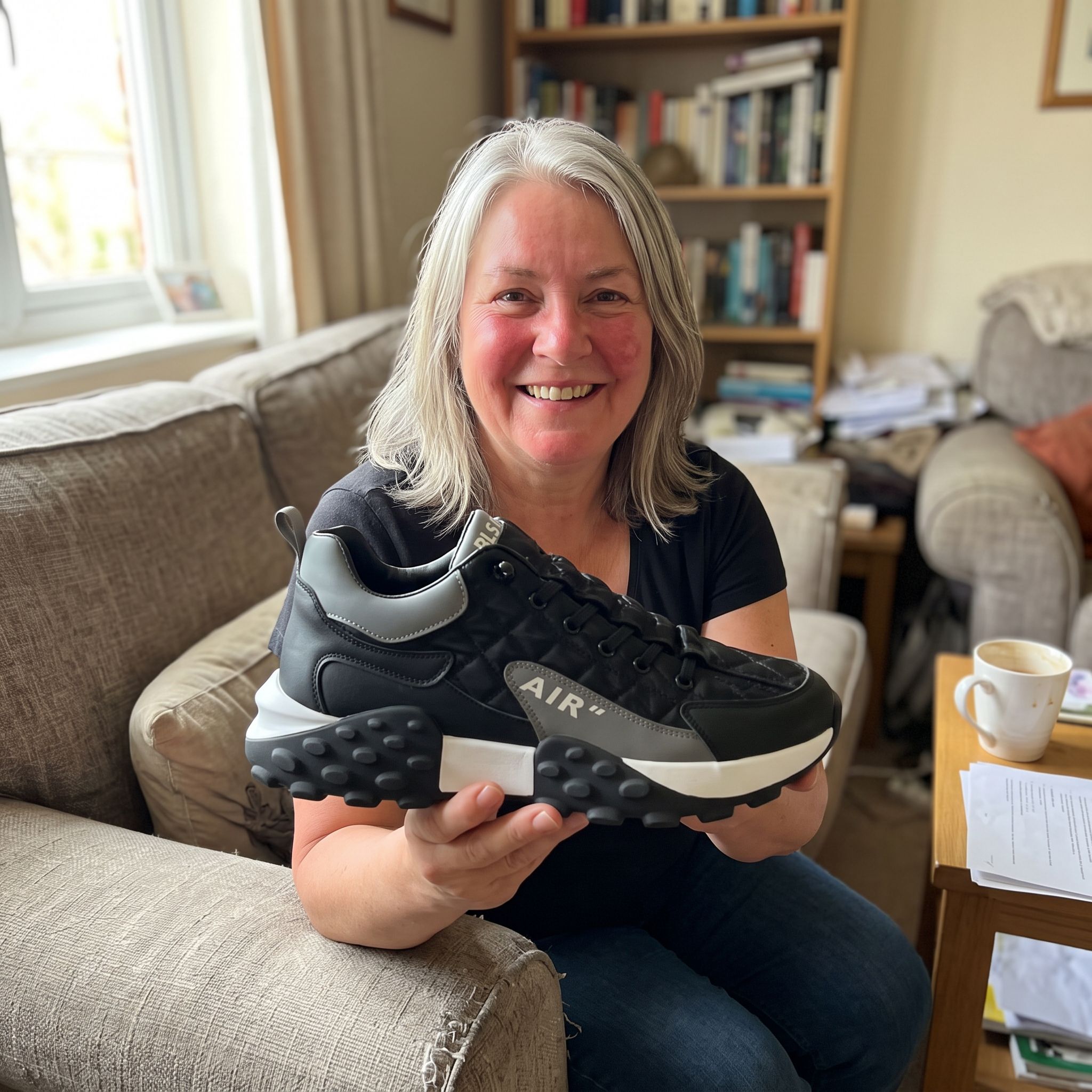
“I'd been quietly avoiding the Saturday market because the cobblestones made me nervous. Three weeks in these and I went twice last month without giving it a second thought.”
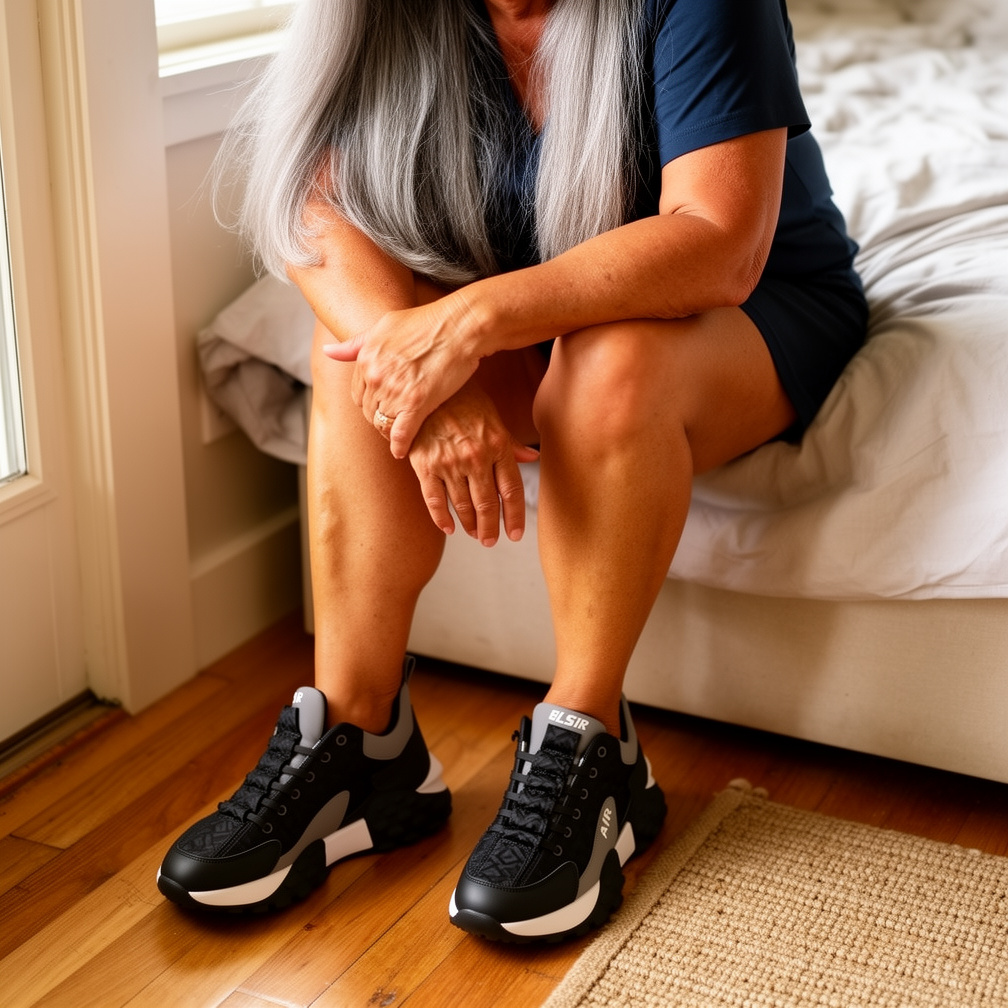
“My left foot always felt slightly wrong in regular shoes — like it was gripping for dear life. These are the first shoes in years where I just… walk. That's it. I just walk.”

“I bought them skeptically. I've tried 'comfortable' shoes before and they were just soft, not stable. These are actually different — my afternoon walks are longer now and my feet aren't angry when I get home.”
Right now, the EverAir™ Freedom Walker is available with a significant introductory discount — including a free pair of orthopedic insoles with every order and free shipping. Stock at this price is limited, and this offer won't run indefinitely. If you've been meaning to take the walk more seriously, this is a clean, low-risk way to start.
Questions, answered
Will these actually fit if I have wider-than-average feet?
Yes — the wide toe box is the design's starting point, not an afterthought. Most people with broader feet or swollen joints find the fit noticeably more comfortable than standard footwear.
What if they don't work for me?
Every order comes with a 30-day money-back guarantee. If they're not the right fit, return them — no forms, no hassle, full refund.
How long before I notice a difference?
Most people report a noticeable difference in how their feet feel at the end of the day within the first week of regular wear. Gait and posture changes tend to build gradually over two to four weeks.
Are the included insoles the same as buying orthopedic insoles separately?
They're designed specifically to complement the shoe's sole and arch geometry — so they work as a system rather than a generic add-on. Getting them separately would cost considerably more.
The Walk You've Been Putting Off
Nobody wakes up and decides to stop walking. It happens in small surrenders — a route avoided, a walk cut short, a outing skipped because it felt like too much effort to manage. The good news is that those surrenders are reversible. Not through a dramatic intervention, but through the simple decision to give your feet a foundation they can actually work with. That's what this is about. Not a cure. A choice — to keep going, on your own terms, for as long as possible.